
Can You Exercise With GLP1 Patches On? (2025 Activity & Sweat Guide)
If you’re building a routine around movement and GLP1 support patches, it’s normal to wonder, “can you exercise with GLP1 patches on?” This 2025 guide explains how sweat, friction, and workouts affect patches, plus simple ways to keep them in place.
Most over-the-counter GLP1 support patches are made for everyday life, which usually includes walking, chores, and light exercise. So in many cases, the realistic answer to “can you exercise with GLP1 patches on?” is yes — as long as you respect your patch’s directions, your skin’s limits, and basic comfort.
That said, intense sweat, tight gear, and high-friction movements can test any adhesive. This guide covers how to choose better placement, what to expect during workouts, and when it’s smarter to remove or replace a patch instead of forcing it to stay on.
Can you exercise with GLP1 patches on in real life?
For most people using GLP1 support patches, normal movement is part of the plan. These patches are typically worn for many hours at a time, so manufacturers expect that you’ll be:
- Walking, climbing stairs, and doing daily activities
- Running errands, commuting, and moving around at work
- Doing light to moderate exercise like walking, cycling, or strength training
Where things get trickier is with very intense sweat sessions, contact sports, or anything that involves constant rubbing on the patch area (like heavy backpack straps or tight waistbands).
In short, yes — you often can exercise with GLP1 patches on, especially for moderate activity. The key is choosing smart placement and paying attention to how your skin and patch respond.
How sweat and movement affect GLP1 patch adhesive
Sweat doesn’t automatically ruin a patch, but it can influence how long the adhesive holds. During workouts you may notice:
- The edges feel softer or more flexible when you’re very sweaty
- Clothing rubbing across the patch more as you move and stretch
- A higher chance of corners lifting if the patch is on a high-friction area
These issues are common with many wearable patches, not just GLP1 support patches. If your label says the patch is “water-resistant” or “sweat-friendly,” it’s usually built with some of this in mind, but no adhesive is invincible.
Best patch placements for working out
When you plan to exercise, placement becomes even more important. You can use the guidance from the best places to put GLP1 patches and make a few extra tweaks for workouts.
For exercise, many people avoid placing patches:
- Directly under sports bra bands or tight elastic waistbands
- On areas that stretch and twist intensely, like the lower back during heavy lifting
- Under backpack straps or heart-rate monitor straps that rub constantly
Instead, more workout-friendly locations can include:
- Upper outer arm (especially if your sleeves are not too tight)
- Side of the hip, above where waistbands rest
- Lower abdomen off to one side, under softer clothing
- Upper thigh where seams and gear aren’t digging in
A good rule of thumb: if clothing or gear feels like it’s scraping or grinding on the patch while you move, try a different spot next time.
Which types of exercise are easiest with GLP1 patches?
Some activities are gentler on patches than others. Many people find it easier to exercise with GLP1 patches on during:
- Walking, light jogging, and casual cycling
- Steady-state cardio with minimal equipment rubbing the patch
- Strength training where clothes stay relatively still
- Low-impact classes like Pilates, stretching, or yoga
Higher-friction or high-contact activities — like grappling sports, obstacle races, or workouts where equipment straps run right over the patch — are more likely to cause early peeling.
When you may not want to exercise with GLP1 patches on
There are times when the safe answer to “can you exercise with GLP1 patches on?” becomes “not today.” Use extra caution or skip patch wear during exercise if you:
- Have a history of strong skin reactions or adhesive allergies
- Are already noticing irritation, redness, or itching around the patch
- Are doing heavy contact sports with direct impact on the patch area
- Have been told by a clinician to limit patch wear time or avoid sweating heavily with it on
If you ever see blistering, severe redness, or swelling under or around the patch after exercise, remove it and get medical advice before continuing.
Practical tips for exercising with GLP1 patches on
If your product is designed for all-day wear and your clinician hasn’t placed any restrictions on you, these small tweaks can make exercising with GLP1 patches on feel more natural:
- Apply to clean, dry skin. Put the patch on before you get sweaty, not after a workout.
- Give it time to set. Press firmly for 20–30 seconds and let it bond before intense movement.
- Choose softer clothing. Avoid seams or gear that constantly rub across the patch.
- Check it after workouts. If it’s half hanging off or wrinkled, it may be time to replace.
- Rotate locations regularly. Don’t use the same spot day after day if it’s getting irritated.
These changes won’t make every workout perfect, but they reduce the most common patch-related annoyances during exercise — like peeling corners or sore skin.
How GLP1 patches fit into a movement-focused routine
GLP1 support patches are best thought of as a small part of a much bigger picture. Even if you can exercise with GLP1 patches on, long-term progress usually comes from:
- Choosing movement you can actually keep doing week after week
- Combining activity with realistic eating habits and regular meals
- Prioritizing sleep and stress management
- Checking in with a clinician about what makes sense for your body
Patches might support appetite awareness or daily rhythm, but your consistency with movement and habits still does most of the heavy lifting.
GLP1 support patches people wear through workouts & daily life
Many people who decide they can safely exercise with GLP1 patches on choose a once-per-day routine and pair patches with realistic activity. Below are four GLP1 support patches people often explore in 2025. Always follow the directions on your specific product and your clinician’s advice.
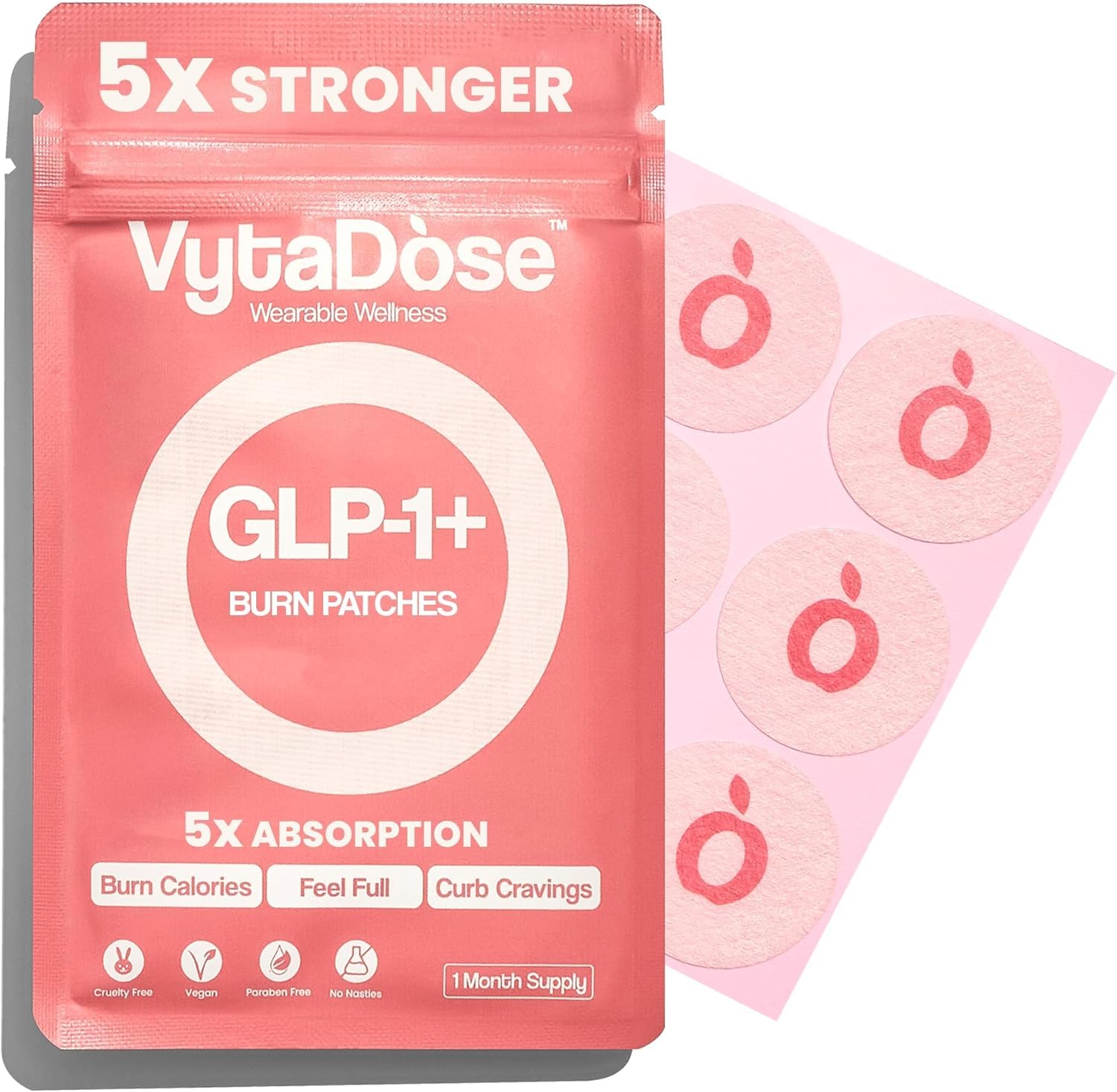
1. VytaDose GLP1 Support Patch
VytaDose is a once-daily GLP1 support patch built around chromium, B-vitamins, and other wellness ingredients. Many users apply VytaDose in the morning, exercise with the patch on, and evaluate how their appetite and daily balance feel over a few weeks.
View VytaDose Patch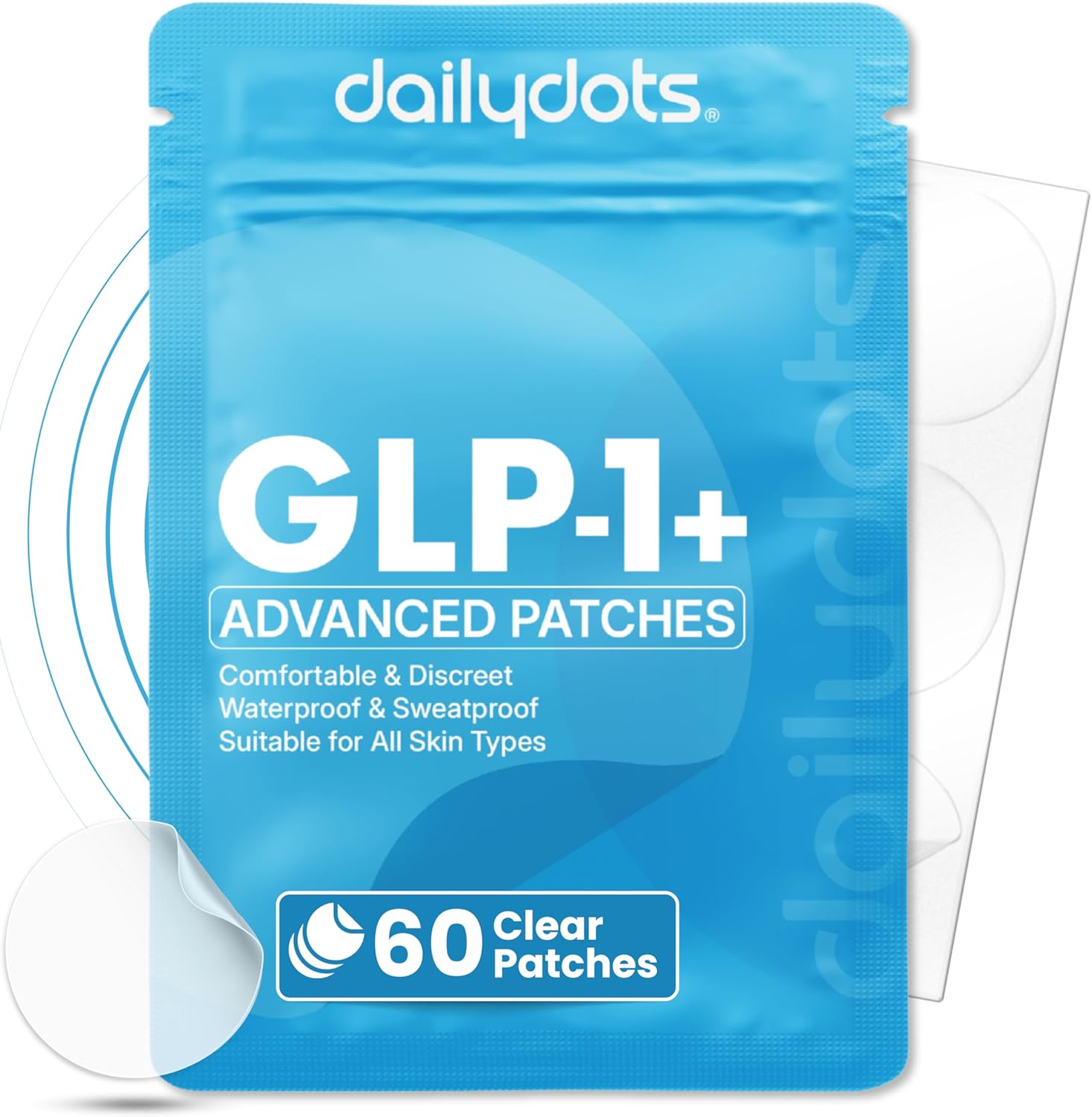
2. DailyDots GLP1 Support Patch
DailyDots is a simple, beginner-friendly GLP1 support patch. People who use it often pair it with walking, light cardio, and steady routines while they see whether patch-based support fits their movement goals.
View DailyDots Patch
3. Kind GLP1 Support Patch
The Kind patch is often chosen by people whose eating habits are closely tied to stress and daily structure. Many use Kind while they work on consistent movement, using the patch as a small daily reminder of the bigger routine they’re building.
View Kind Patch
4. Monier GLP1 Patch
Monier is a more budget-conscious GLP1 support patch. People trying it often wear the patch through their normal workday, walks, and light exercise to see whether the format feels sustainable for them.
View Monier PatchFAQ: Can you exercise with GLP1 patches on?
Can you exercise with GLP1 patches on if you sweat a lot?
Heavy sweating can loosen adhesives, but many people still do moderate workouts with GLP1 patches on. If your patch keeps peeling or your skin gets irritated, talk with a clinician and review placement, clothing, and timing.
Should I put the patch on right before or after a workout?
Many users apply patches to clean, dry skin earlier in the day so the adhesive can set before intense sweating. Putting a patch on immediately after a hot shower or workout may make it harder for it to stick.
What if my GLP1 patch falls off during exercise?
If a patch fully falls off, brands typically recommend discarding it and following their instructions for when to start the next patch. Trying to re-stick a sweaty patch usually doesn’t work well and may irritate your skin.
Is it safe for everyone to exercise with GLP1 patches on?
Not always. If you have skin conditions, a history of strong adhesive reactions, or complex medical issues, check with a licensed clinician before using any patch product — especially during heavy sweat or intense activity.

GLP1Patches.org
GLP-1 patch product listings and direct Amazon links.