
Can You Wear GLP1 Patches While Sleeping?
Yes, you can wear GLP1 patches while sleeping in many cases—if the brand’s directions allow that wear window and your skin tolerates adhesives overnight. The practical issue is usually not “is it allowed,” but whether the patch stays on, whether it irritates your skin, and whether your sleep position/clothing rubs it loose.
- When overnight wear makes sense vs. when it doesn’t.
- Best placement ideas for sleeping comfort and stickiness.
- What to watch for: itch, redness, peeling, and friction.
This page is about non-prescription GLP1 patch products sold online. It is not medical advice, and it is not instructions for prescription GLP-1 medications. Follow your product label and talk with your clinician if you’re unsure.
If you’re asking can you wear GLP1 patches while sleeping, you’re usually trying to avoid two problems: waking up with the patch half off, or waking up with irritated skin. Below is a calm, practical guide to overnight wear, placement, and when to stop.
Quick Answer: Wearing GLP1 Patches Overnight
Overnight wear can be convenient because it turns the patch into a “set it and forget it” habit. But sleep adds friction, sweat, and pressure—exactly the things that can make any adhesive patch fail.
If the product directions say the patch can be worn for a longer window (or overnight), then wearing it while sleeping is typically just a schedule choice. Your job is to pick a spot that won’t rub constantly.
If you’ve had redness or itch from bandages, kinesiology tape, or other patches, overnight wear can amplify that because the patch stays pressed to warm skin for hours.
If you wake up with burning, swelling, blistering, or a hot rash, remove the patch and don’t “power through.” That’s your body telling you this placement (or product) isn’t a fit.
Why People Wear GLP1 Patches While Sleeping
Most people choose overnight wear for routine reasons—not because it’s “stronger,” but because it’s easier to be consistent.
Overnight wear benefits (routine)
- Less likely to forget the wear window during a busy day.
- Less daytime friction from clothes, bags, or seatbelts (depending on placement).
- Pairs naturally with bedtime habits (brush teeth → apply patch).
- Some people prefer it if they don’t want the patch visible at work.
Overnight wear downsides (practical)
- Side-sleepers can rub a patch loose on shoulders/arms.
- Sweat/heat can soften adhesive and cause peeling at the edges.
- Long contact time can increase irritation for sensitive skin.
- Sheets/clothing seams can catch the patch and lift it.
Best Places to Put GLP1 Patches for Sleeping Comfort
The best placement is a spot that is flat, low-friction, and not constantly compressed by your sleeping position. Think “quiet skin,” not “high movement.”
Often comfortable overnight
- Upper back (between shoulder blade area, away from straps/seams).
- Outer upper arm (if you don’t sleep directly on that side).
- Side torso above the hip (avoid waistband line).
- Upper shoulder (if it won’t be pressed into the mattress).
Often annoying overnight
- Waistband zone (pajamas/underwear rub all night).
- High-sweat zones (can loosen adhesive faster).
- Joints/creases (elbow/knee areas bend and peel edges).
- Direct pressure spots (under your side-sleeping shoulder/hip point).
Overnight placement checklist (do this before bed)
- Clean and dry skin (no lotion/oil on the area).
- Avoid freshly shaved or already-irritated skin.
- Press edges down firmly for 15–30 seconds.
- Choose a spot that won’t be trapped under tight elastic or seams.
- Rotate spots from night to night to reduce irritation.
How to Keep a GLP1 Patch Stuck On Overnight
If patches keep peeling while you sleep, it’s usually one of three issues: skin prep, friction, or sweat/heat. These tips target those problems without turning your life into a science project.
Adhesive hates moisturizer. If you apply a patch after lotion, body oil, or a heavy shower gel, the edges can lift. Apply on clean, dry skin and avoid product on that area.
Overnight friction is sneaky. If your patch sits right under a waistband, bra band, or tight shirt seam, it may slowly roll up at the edges while you toss and turn. So, can you wear GLP1 patches while sleeping safely and comfortably? For many people, the answer depends on placement, skin sensitivity, and overnight movement.
If you wake up sweaty, try a placement that stays cooler and flatter (upper back/outer arm) and avoid trapped areas. Heat can soften adhesive and cause shifting.
If you keep waking up with the patch half off, it’s okay to switch to a daytime wear window or try a different placement site. Consistency beats “perfect overnight.”
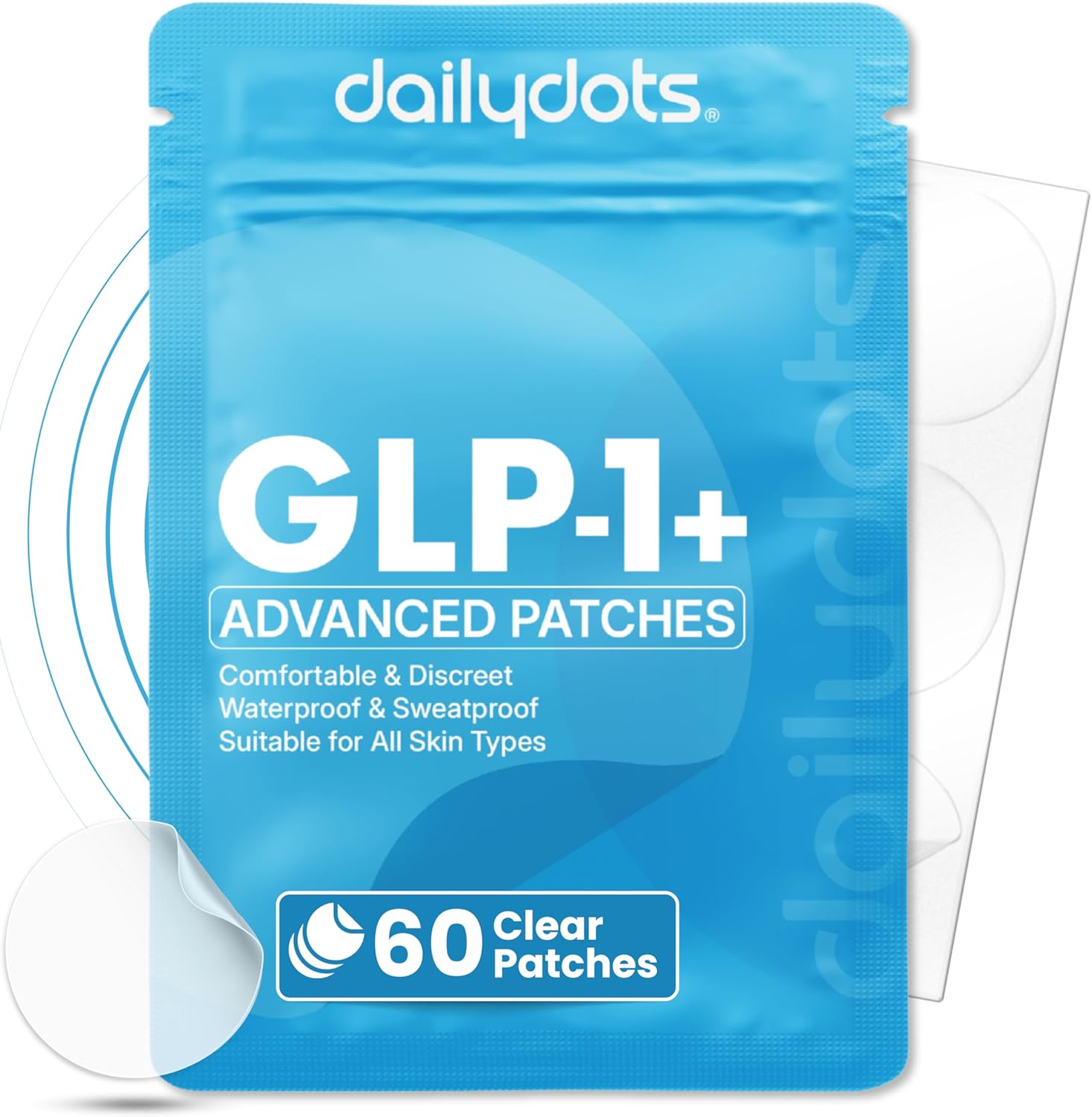
Using DailyDots as a Practical Example
We reference DailyDots on this site because it’s a common “example box” people compare. The same overnight logic applies: follow the label directions, choose low-friction placement, and rotate sites so you’re not stressing the same area every night.
DailyDots GLP1 Patches
Example productIf you plan to wear GLP1 patches while sleeping, use DailyDots (or any brand) as a test: pick one placement for a few nights, track comfort, then rotate. The goal is a calm routine—not irritation or constant re-sticking.
When You Should NOT Wear GLP1 Patches While Sleeping
The biggest reason to avoid overnight wear is skin irritation. Sleeping keeps a patch pressed to warm skin for a long time, which can intensify reactions for some people.
Skip overnight wear if you notice
- Burning or sharp sting under the patch.
- Raised rash, swelling, or blistering.
- Worsening redness each night in the same spot.
- Sleep disruption because the patch is itchy or uncomfortable.
Try a simple adjustment first
- Switch to a lower-friction placement (away from seams/elastic).
- Rotate to a new spot instead of reusing the same skin area.
- Move the wear window earlier (evening) so you’re not wearing it the full night.
- If irritation persists, stop using it and talk with a professional.
For more on practical “what to watch for,” see: GLP-1 patch side effects & safety.
FAQ: Can You Wear GLP1 Patches While Sleeping?
Can you wear GLP1 patches while sleeping every night?
Some people do, but rotating placement matters. Wearing a patch overnight on the exact same spot repeatedly can increase irritation. If you’re doing nightly wear, rotate sites and track your skin.
What if my GLP1 patch falls off while I’m asleep?
That usually means friction or oily skin. Try a flatter, lower-friction spot (upper back/outer arm), apply on clean dry skin, and avoid placing under elastic or seams. If it keeps happening, switch to daytime wear.
Is it better to wear GLP1 patches during the day or at night?
“Better” is whatever makes you consistent. Night wear is convenient for routines, but day wear lets you notice irritation sooner and avoids mattress pressure. Choose the option that keeps the patch on and your skin calm.
Where should I place a GLP1 patch if I’m a side sleeper?
Side sleepers usually do better with spots that aren’t compressed by the mattress—often upper back or outer arm on the side you don’t sleep on. Avoid your direct shoulder/hip pressure points.
Bottom line: You can wear GLP1 patches while sleeping if the label directions allow that wear window and your skin handles adhesives overnight. Focus on low-friction placement, clean dry skin, and rotating sites.