
GLP1 Patch Side Effects (2025 Safe User Guide & What to Expect)
Curious about GLP1 patch side effects before you start a routine? This 2025 safe-use guide explains the most common skin reactions, placement issues, and red-flag signs so you know when to keep going, when to adjust, and when to stop and talk with a professional.
GLP1 support patches are over-the-counter wellness products, not prescription GLP-1 medications. Most people tolerate them well, but like any patch or supplement, there can be GLP1 patch side effects, especially on the skin where the patch sits.
This guide is for general education only and can’t replace personalized medical advice. If you have specific health questions, allergies, or conditions, always speak with a licensed professional who knows your situation.
Common mild GLP1 patch side effects
The most frequently reported GLP1 patch side effects are mild and related to the patch sitting on the top layer of the skin. These usually show up in the first few days or weeks and tend to fade once you rotate placement or give that spot a break.
- Redness where the patch was applied – a light pink or red outline or imprint.
- Mild itching or warmth – a “slight tingle” feeling under or around the patch.
- Temporary imprint after removal – a faint square or rectangle that fades over several hours.
- Light skin dryness or flaking – especially if the same area is used repeatedly.
These types of reactions are common with many adhesive-based products, including bandages and other patches. If irritation stays mild and fades within a day, it’s usually a sign that your skin simply needs better rotation or gentler application and removal.
Placement-related “side effects” and annoyances
Some issues are less about the formula and more about where or how the patch is placed:
- Edges peeling or lifting early – often from areas that bend constantly, heavy sweating, or clothing rubbing on the patch.
- Patch pulling hair – if placed on a hairier area without trimming first.
- Indent marks from tight clothing – if the patch sits under waistbands or straps.
These can be reduced by choosing from the best places to put GLP1 patches, rotating daily, and avoiding spots where clothing rubs or squeezes all day.
When GLP1 patch side effects mean you should stop
While most reactions are mild, some GLP1 patch side effects are signs that the patch is not a good fit for you or that you need medical guidance. Stop using the patch and contact a professional if you notice:
- Intense redness, burning, or pain at or beyond the patch edges.
- Blistering, open skin, or oozing where the patch was applied.
- Widespread rash across areas beyond the patch site.
- Swelling of the face, lips, or tongue or trouble breathing (possible emergency).
- Any reaction that gets worse each time you wear the patch instead of better.
These types of reactions go beyond “normal” irritation and should be evaluated promptly by a licensed clinician. If you ever suspect a severe allergic reaction, seek emergency help right away.
Who should be extra cautious with GLP1 patches?
It’s especially important to check with a professional before using GLP1 support patches if you:
- Have a history of strong skin allergies or adhesive reactions.
- Have chronic skin conditions in common patch areas (eczema, psoriasis, dermatitis, etc.).
- Are pregnant, nursing, or planning pregnancy.
- Take prescription medications and are unsure about interactions with supplement ingredients.
- Have serious medical conditions where any new product should be cleared first.
A quick conversation with a clinician can help you decide whether patch-based supplements fit safely into your overall plan.
How to reduce the chance of GLP1 patch side effects
Although no product is risk-free, smart habits can reduce the chances and intensity of GLP1 patch side effects:
- Start with a small test area. Try one patch on a single site before expanding use.
- Apply to clean, dry skin. Avoid oils, lotions, or thick creams before application.
- Rotate locations daily. Move between arms, hips, stomach, and thighs rather than repeating one spot.
- Remove gently. Peel slowly from the edges instead of ripping the patch off quickly.
- Give irritated areas a break. Skip any area that looks red or feels sensitive until it recovers fully.
Following brand directions and paying attention to how your skin responds goes a long way toward keeping patch use comfortable.
GLP1 support patches people use with safe routines
Below are four popular GLP1 support patches. No product is risk-free, and none of these are prescription GLP-1 drugs, but many users pair them with the safety tips above to build a thoughtful, patch-based wellness routine.
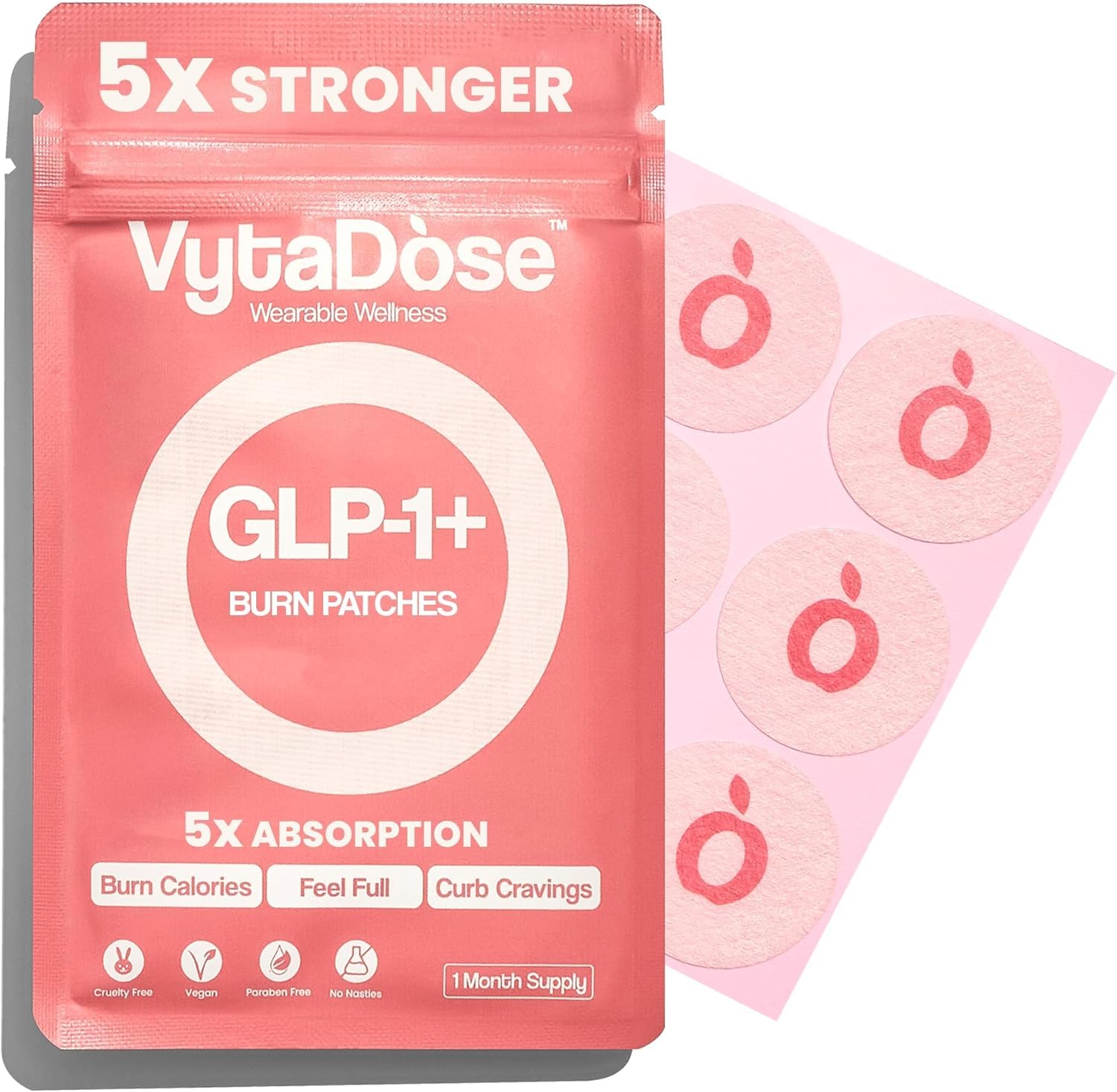
1. VytaDose GLP1 Support Patch
VytaDose is a widely used GLP1 support patch featuring ingredients like chromium and B-vitamins. Users often start slowly, watch for any skin changes, and rotate upper arm, hip, and stomach placements while they decide how it feels.
View VytaDose Patch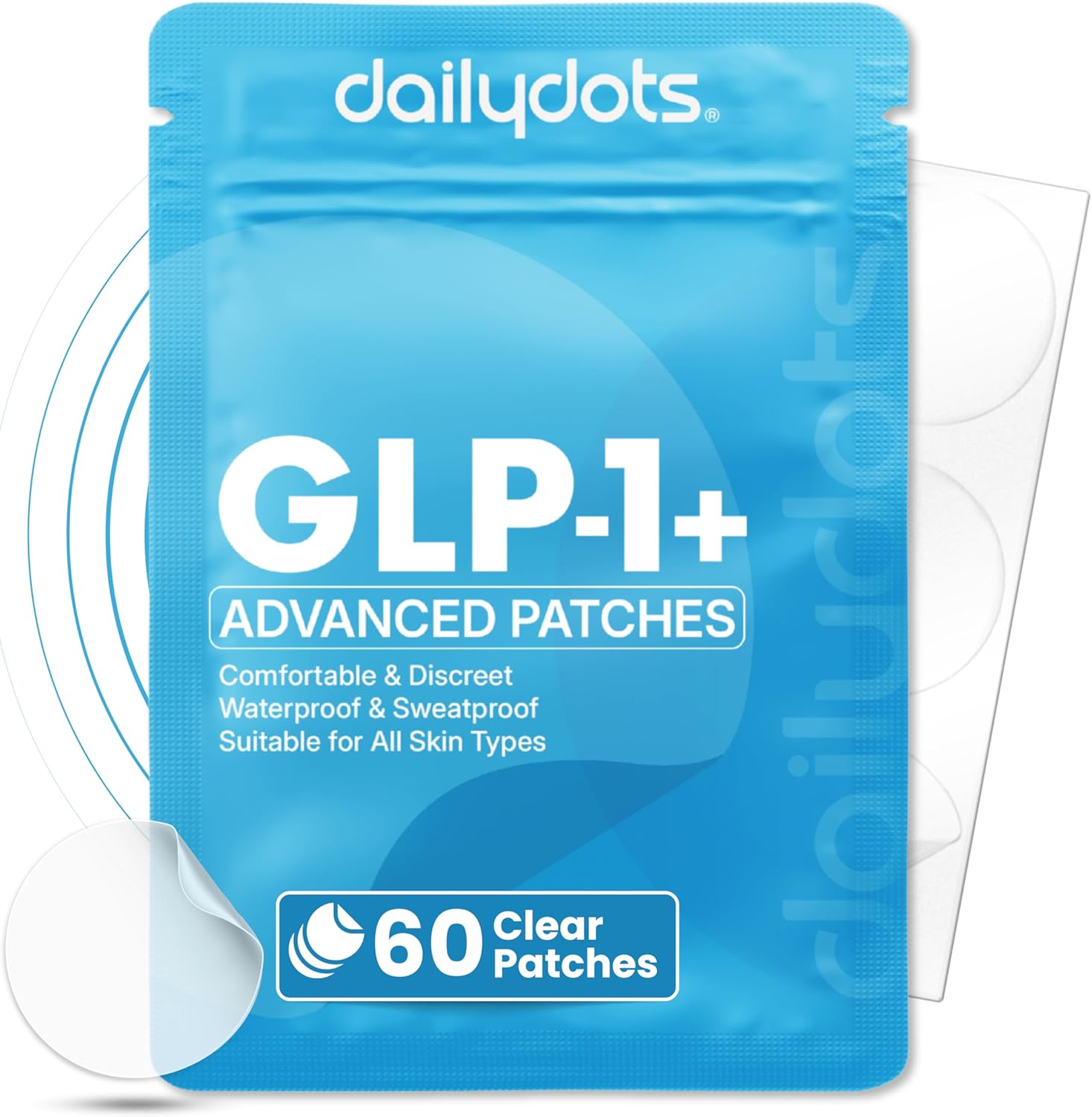
2. DailyDots GLP1 Support Patch
DailyDots is often chosen as a simple, once-per-day patch. People who use it typically start with easy-to-reach spots like the upper arm and pay attention to how their skin feels over the first week.
View DailyDots Patch
3. Kind GLP1 Support Patch
The Kind patch is often used by people who want calm, routine-friendly support. As with any patch, users are advised to watch for skin changes and talk with a professional if reactions go beyond mild irritation.
View Kind Patch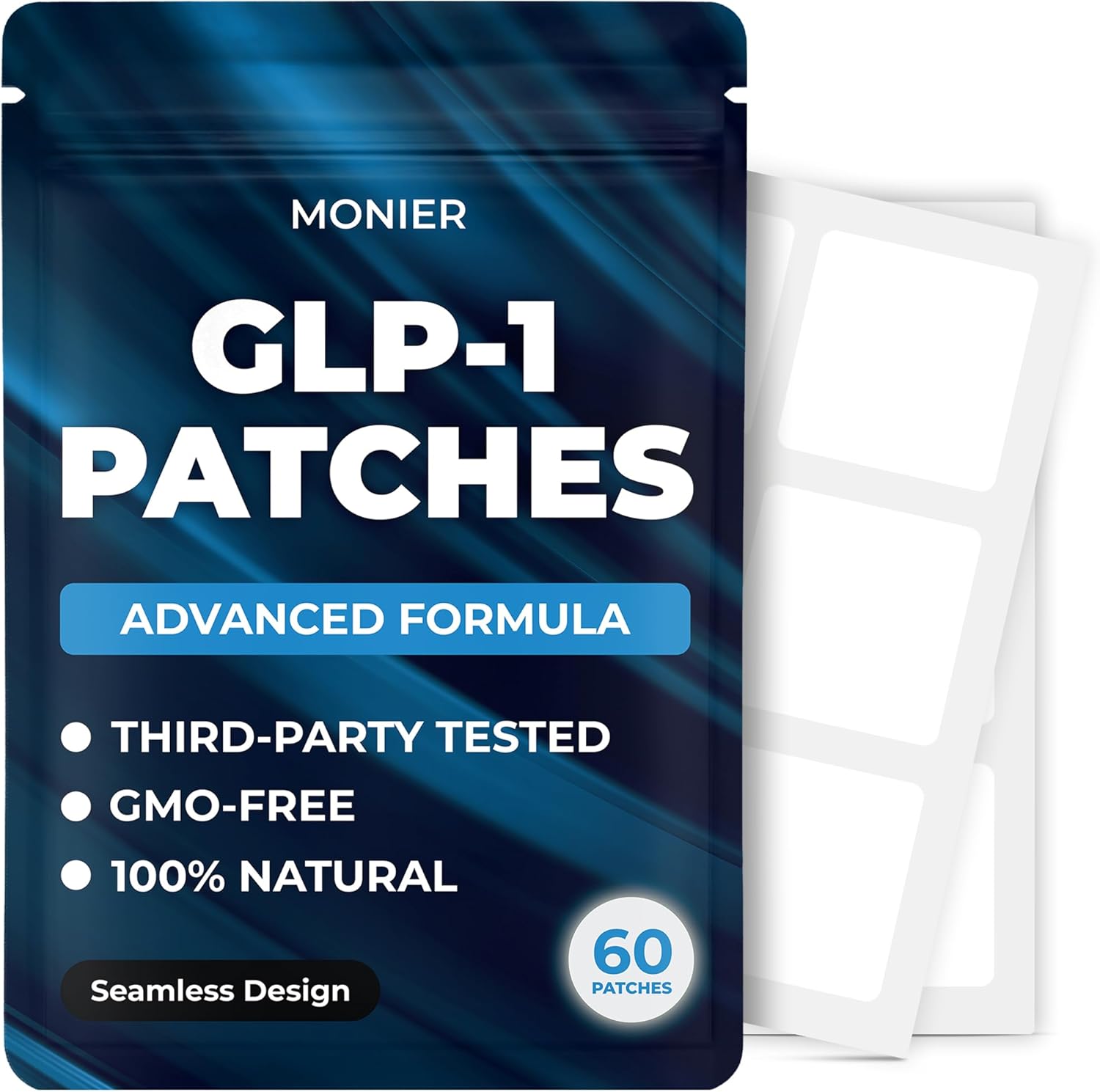
4. Monier GLP1 Patch
Monier is a more budget-friendly GLP1 support patch. As with any option, users typically start with one patch per day, rotate locations, and pause use if side effects feel strong or unusual.
View Monier PatchFAQ: GLP1 patch side effects & safety
Are GLP1 patch side effects permanent?
Most mild GLP1 patch side effects, like light redness or itching, are temporary and fade after the patch is removed. Strong or persistent reactions should be checked by a professional.
Is it normal for the skin to be a little red after removing the patch?
A light outline or brief redness can be common with adhesive products. If redness is intense, painful, or keeps getting worse, it’s important to stop using the patch and get it checked.
Can I prevent GLP1 patch side effects completely?
No product is risk-free, but rotating locations, starting slowly, and using clean, dry skin can reduce the chance and severity of skin reactions.
What should I do if I’m worried about how my skin looks after using a patch?
Remove the patch, gently wash the area, and avoid reusing that spot until it looks normal. If the reaction is strong or doesn’t improve, contact a licensed clinician for guidance.

GLP1Patches.org
GLP-1 patch product listings and direct Amazon links.